Vendor & Consultant Databases — How Third-Party Systems Leak Executive Family Information
Hospital and insurance vendor management systems often store executive family contact information for travel, event planning, and spouse programs. When these systems are breached or sold, personal and family data enters the public domain.
The vendor sprawl problem
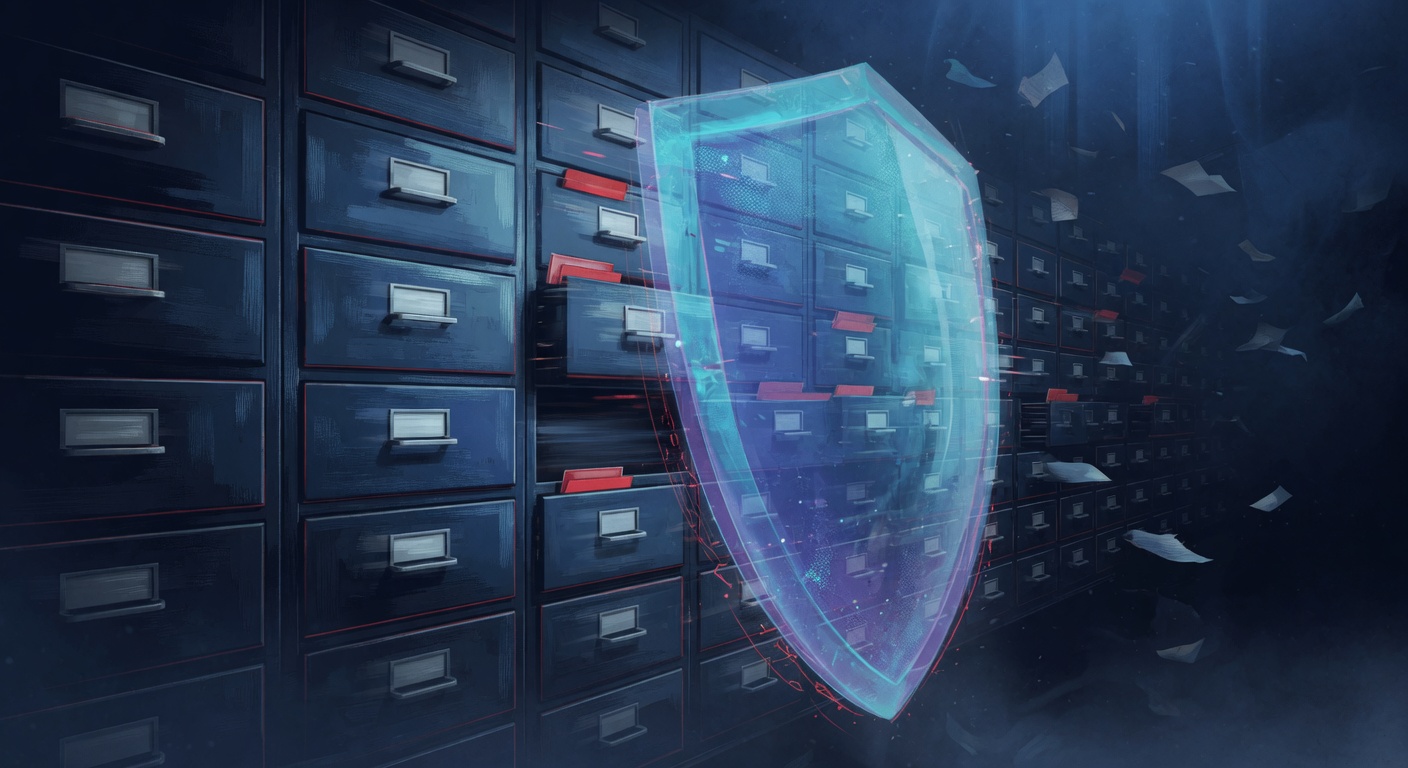
The vendor sprawl in modern health systems is staggering — concierge medicine providers, executive-coaching firms, travel agencies, event-planning vendors, household-staffing services, and corporate-wellness platforms each maintain a record that includes the executive’s home address, family contacts, and dependent names. Most of those vendors operate on shared SaaS platforms with weak access controls.
Aggregated breach corpora make leaks permanent
When one of those vendors gets breached — and they do, regularly — the attacker doesn’t need to target you specifically to walk away with your full household profile. Aggregated breach corpora make this re-discoverable years later through credential-stuffing attacks against derived accounts.
Executive mitigation tactics
Request limited or anonymized family data in all vendor systems — first names, no addresses, no dependents. Require NDAs and data deletion clauses in all vendor contracts that touch family information. Conduct annual vendor data audits — demand a list of every record stored about you and your household. Use single-use email aliases for vendor communications so a breach at one vendor doesn’t cascade. Pay personally for high-sensitivity services (executive health, travel) and cut the corporate vendor entirely.
Where GalaxyWarden Protection fits
GalaxyWarden Protection files removal requests with data brokers and people-search sites on your behalf, and every scan runs on the DoxxScan™ engine. The free way in is a free DoxxScan™ scan of an email address you confirm is yours, which checks it against 13.1B+ leaked breach records. DoxxScan™ monitoring, included in GalaxyWarden Protection, re-checks up to 3 email addresses you confirm are yours and sends a DoxxScan™ alert when one turns up in a new breach.
Run a free DoxxScan™ scan of an email you confirm is yours to see which known breaches it appears in.
